Travelers planning a Kenya safari often ask whether to extend to Rwanda for gorilla trekking. The Volcanoes gorilla permit discount can save you US$450 per person, but only if the route includes extra park nights. Use this checklist before you agree to a discounted quote.
1. How Much Is the Volcanoes Gorilla Permit Discount?
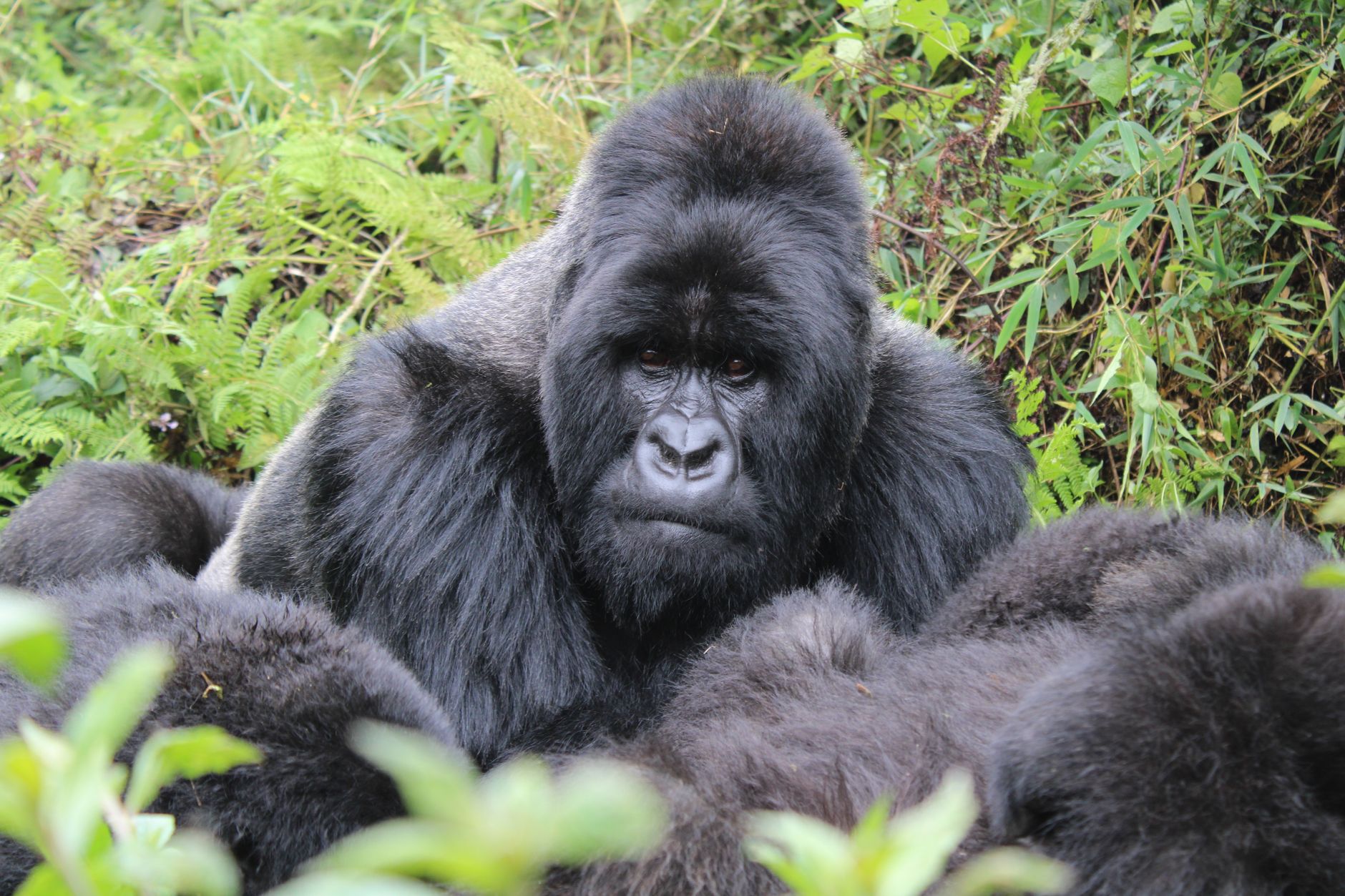
For an international non-resident, the standard Volcanoes gorilla permit is US$1,500. The qualifying low-season discount reduces it by 30% to US$1,050, saving US$450 per trekker. The discounted rate applies when the gorilla trek is combined with qualifying time in Akagera or Nyungwe, generally between November and May.
So the Rwanda gorilla permit cost depends on more than the permit itself. The discount is tied to a route, not to a single booking.
If you are also weighing Uganda, check Bwindi versus Volcanoes permit costs first. Uganda uses a different pricing model, and that comparison may change your choice.
2. Who Qualifies for a Discounted Permit?
Eligibility depends on the discount category. Rwandan and East African Community citizens may qualify for a US$200 permit. Citizens of other African countries and some foreign residents may qualify for US$500 rates. International visitors can instead pursue the US$1,050 multi-park offer, subject to season and itinerary requirements.
Here is an indicative comparison of published permit categories.
| Permit category | Indicative fee per trekker | What usually applies |
|---|---|---|
| International standard | US$1,500 | No qualifying park stay needed |
| International with 30% low-season discount | US$1,050 | Requires qualifying Akagera or Nyungwe time |
| Rwandan and East African Community citizens | US$200 | Verify with passport or accepted identity document |
| Other African citizens and eligible residents | US$500 | Rules vary by country and residence status |
Rates can change. Confirm the latest categories with the Rwanda Development Board before you rely on them.
3. What Are the Requirements for the 30% Low-Season Discount?
The 30% offer requires a gorilla trek in the November-May low season plus a qualifying visit to Akagera National Park or Nyungwe National Park. Official guidance requires proof of paid accommodation and a paid activity. Two nights are generally required in one qualifying park, or one consecutive night in each of the two parks.
For most international travelers, that means adding a park block before or after the Volcanoes trek. Keep hotel receipts. Keep proof that you paid for at least one activity in the qualifying park. Ask your Rwanda operator or the Rwanda Development Board to confirm the exact rule for your dates before you pay a deposit.
4. Is the Volcanoes Gorilla Permit Discount Worth the Extra Park Stay?
The discount is worthwhile only when Akagera or Nyungwe already fits the trip. It saves US$450 per permit, but transport, accommodation, park fees, and activities can exceed that amount if added solely to get the discounted rate. Akagera suits savanna wildlife, while Nyungwe adds rainforest scenery, chimpanzee trekking, and canopy walk options.
Think of the US$450 as a rebate on an itinerary, not a coupon for one cheap permit. If you already plan to fly from a Kenya safari to Kigali for the gorilla trek, one or two nights in a second park can be a natural extension. If you would never visit Akagera or Nyungwe otherwise, the added cost and travel time may swallow the saving.
Put the full picture together before deciding. Our full Volcanoes gorilla trekking costs guide covers the main line items beyond the permit. The permit is usually the largest single cost, but it is not the only one.
Once you have that total, an East Africa safari budget breakdown will help you see how a Rwanda extension changes the whole trip.
5. When Should You Use the Discount?
The discount is designed for November through May, when Rwanda’s low-season conditions make the qualifying multi-park itinerary possible. These months can bring wetter trails and less predictable trekking weather, but they may offer greener scenery and lower overall travel demand. June-October is typically drier and busier, so travelers should compare comfort against savings.
Kenya-based planning adds one more timing layer. If your first priority is the wildebeest migration in the Maasai Mara, you may travel between June and October anyway. Those months line up with Rwanda’s dry gorilla season, too, but the discounted permit usually will not apply. If you shift to a gorilla trekking low-season window, expect more flexibility in Rwanda and more rain on the trail.
6. How to Book and Verify a Discounted Gorilla Permit
Confirm the current offer and eligibility with the Rwanda Development Board or its official booking channel before paying a deposit. Prepare passport or residency evidence where relevant, and retain hotel receipts and proof of a paid activity in Akagera or Nyungwe. Ask the operator to show the discounted permit price separately from transport and lodging.
A legitimate Volcanoes National Park gorilla permit at the discounted international rate should show as US$1,050 on your quote. If the permit line still reads US$1,500, the operator may not have included the multi-park offer. Ask for written confirmation that the permit is secured for your specific date, not just for a week around it.
Your Next Step: Compare Safari Operators
Before you book, get a quote that connects a Kenya safari with the Rwanda route. The right next move is to compare operators that sell multi-country packages. Browse packages at FindMySafari, Valley Safaris, or Trunktrails Safaris, and choose one that shows the discounted permit price clearly against the full itinerary cost.
More safari planning resources
- Best time to visit Kenya map from SafariPure
- Best time to visit Kenya from Trunktrails Safaris
- Best time to visit Kenya month-by-month map from Valley Safaris
- Compare Kenya safari packages on FindMySafari